Epoxy vs Polyaspartic: Which Is Better for Garages?

Robert Hernandez • April 10, 2026

Epoxy vs polyaspartic garage floor coatings differ most in cure time, UV resistance, and flexibility. Epoxy costs less upfront but yellows under direct sunlight and requires 3 to 5 days for a full cure. Polyaspartic coatings cure in hours, resist UV damage, and flex with temperature changes rather than cracking. 


Most homeowners assume epoxy is the gold standard for garage floors because it's the name they've heard longest. That reputation is outdated. Polyaspartic formulas have closed every performance gap and pulled ahead in UV stability, chemical resistance, and installation speed—three factors that determine how well a garage floor holds up through a West Texas summer.


Lubbock Concrete Coating has been installing professional multi-layer epoxy garage coatings across West Texas for over 20 years. We break down the real performance differences between the two systems below, so you can decide which one fits your garage, budget, and timeline.

How Epoxy Coatings Work

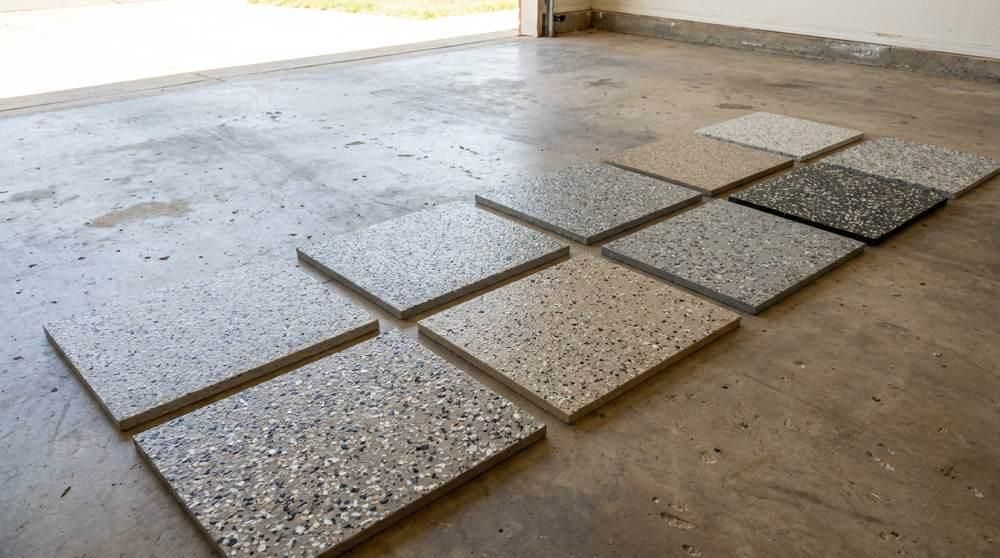
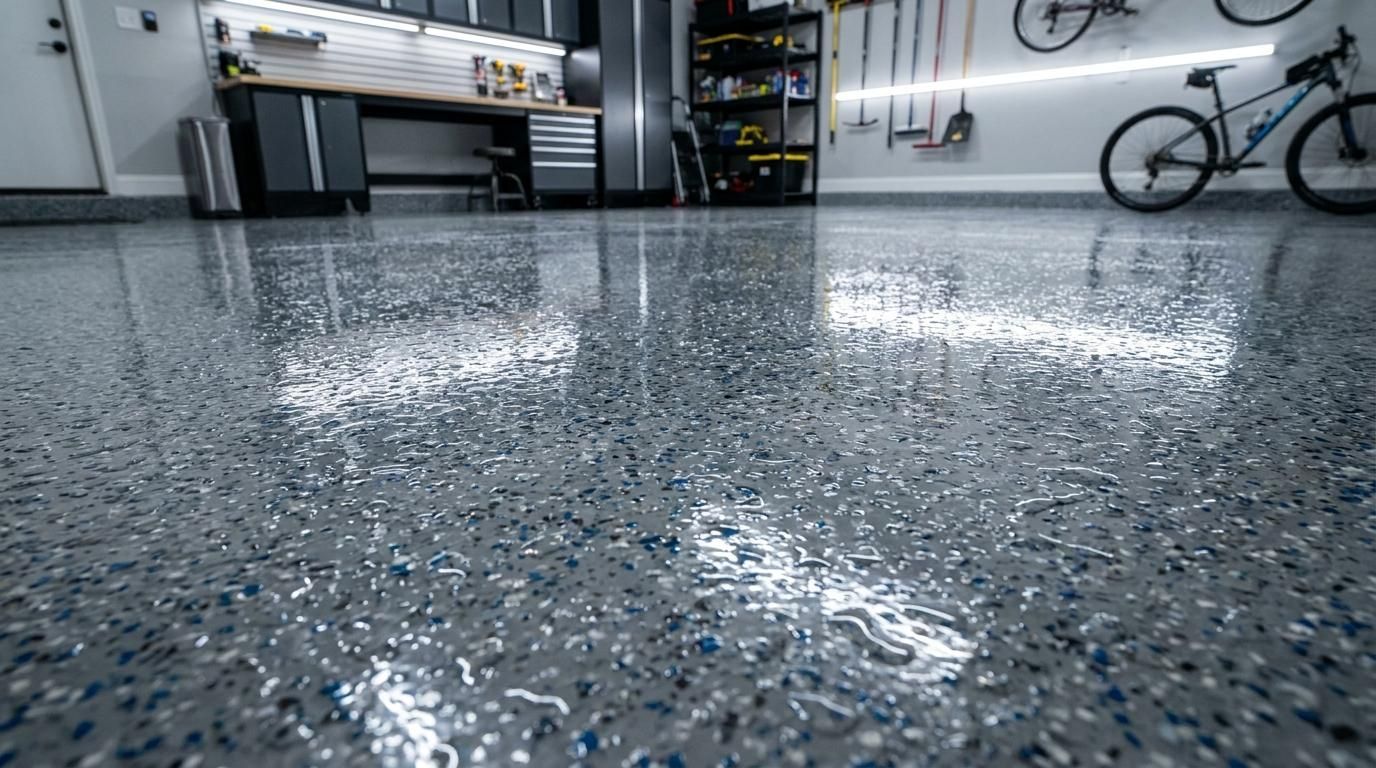
Epoxy is a two-part system (resin and hardener) that chemically bonds to prepared concrete and cures into a rigid, high-gloss surface. Professional installations use multiple layers: a penetrating primer, a pigmented base coat with optional decorative flake broadcast, and a clear protective topcoat. This multi-layer approach creates a coating 3 to 5 times thicker than retail DIY kits, which is why professional epoxy is designed to last 10 to 15 years while most DIY applications peel within two.


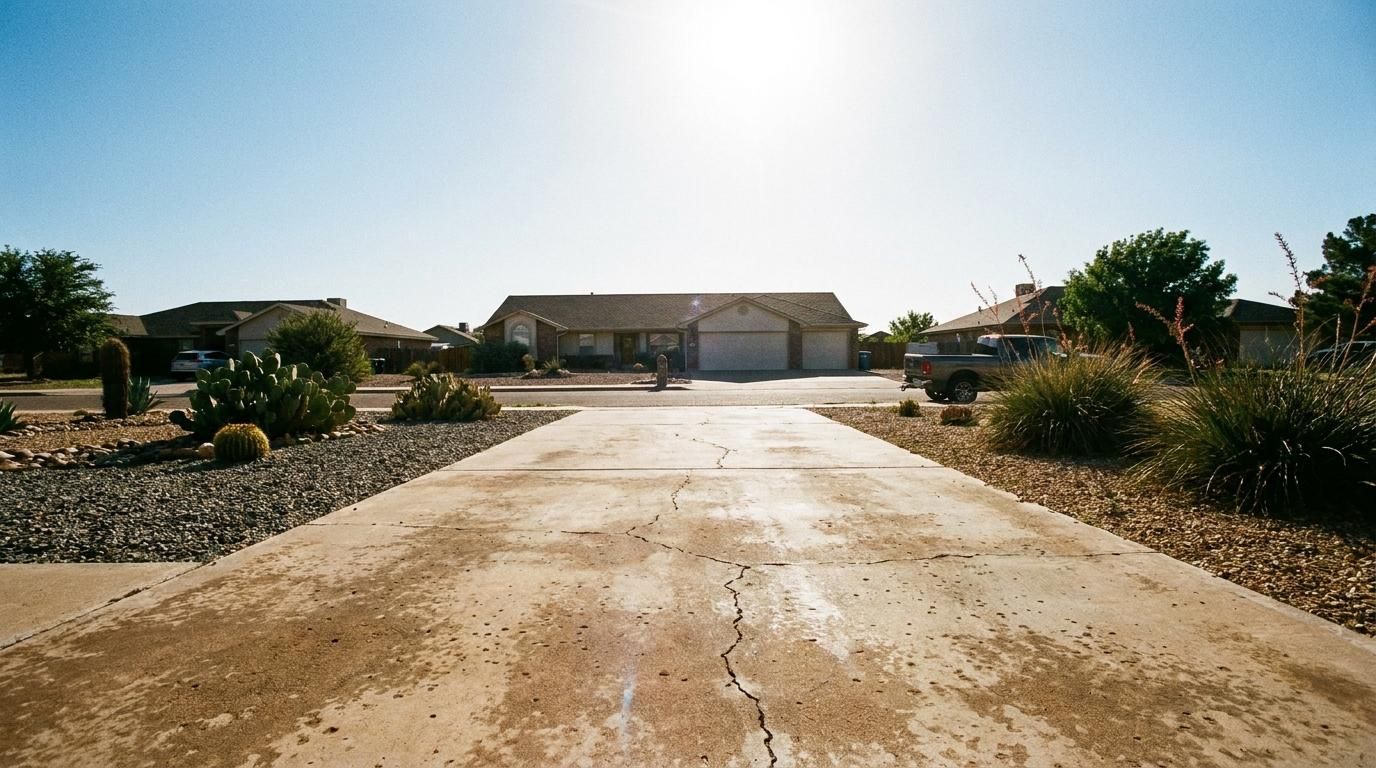
The main limitation is rigidity. Epoxy doesn't flex, so the thermal cycling between Lubbock's 100°F+ summer garage temperatures and below-freezing winter mornings gradually stresses the bond between coating and concrete. That stress shows up as hairline cracks and eventually edge lifting, the early stages of coating failure.

How Polyaspartic Coatings Differ

Polyaspartic is a type of polyurea that cures through a faster chemical reaction than epoxy. It offrs two practical advantages: 


  • Fast Curing: A full polyaspartic system can be walked on within hours instead of days. Your garage is back in service the same weekend. 
  • Acccommodates Slab Movement: The cured film retains slight flexibility, absorbing the thermal expansion that Lubbock garage slabs experience year-round. 


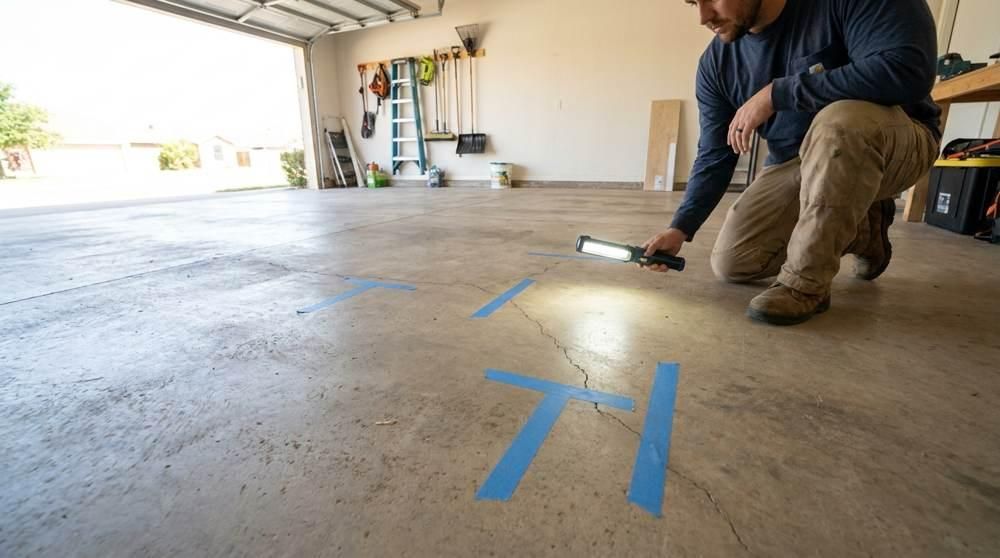
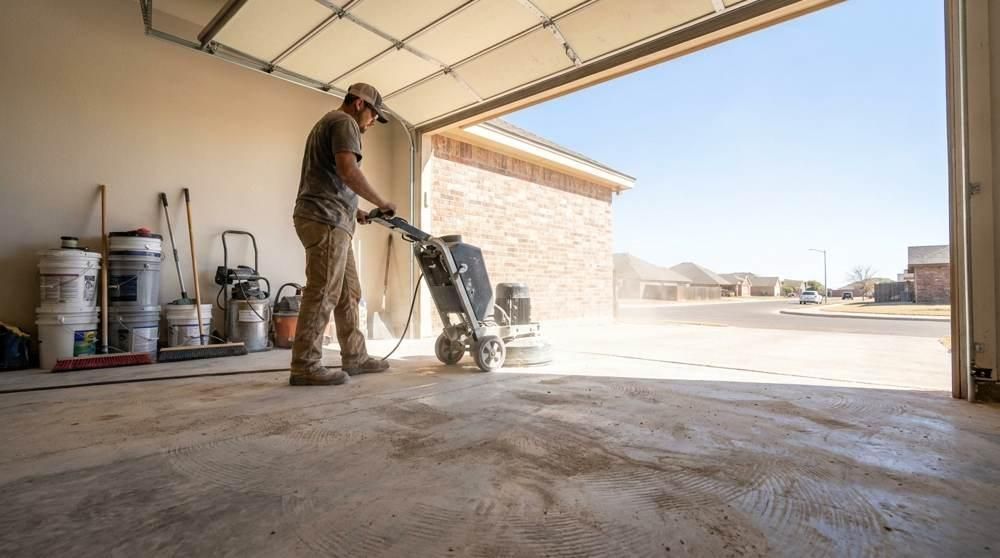
A professional polyaspartic system typically follows the same prep sequence used for high-quality epoxy: diamond grinding, primer, and multiple topcoat layers. That prep is what separates a 20-year floor from one that peels within two seasons, regardless of which coating chemistry sits on top.

UV Resistance in West Texas

Lubbock averages 263 sunny days per year, makingit one of the highest UV exposure zones in Texas. Standard epoxy yellows and chalks under sustained ultraviolet light within 1 to 3 years, particularly in garages with south- or west-facing doors that let afternoon sun hit the floor directly. 


Polyaspartic coatings include built-in UV inhibitors that maintain color and gloss for the full rated lifespan of 15 to 20 years. For homeowners who keep the garage door open regularly or have windows in the garage, UV performance alone often decides which coating type makes sense long-term.

Cost Comparison for Lubbock Garages

Professional epoxy installations in Lubbock typically cost $4 to $9 per square foot. Polyaspartic systems run $7 to $11 per square foot. For a standard two-car garage of 400-500 square feet, that translates to roughly $1,600 to $4,500 for epoxy versus $2,800 to $5,500 for polyaspartic. 


The price gap narrows considerably when you factor in lifespan. A homeowner who recoats a failed epoxy floor once in 10 years ends up spending more total than a single polyaspartic installation that is designed to last 15 to 20 years without UV degradation.

Frequently Asked Questions

Does Lubbock Concrete Coating install polyaspartic floors?

Lubbock Concrete Coating specializes in professional multi-layer epoxy systems with UV-stable topcoats engineered for West Texas conditions. If polyaspartic is the right answer for your specific garage, we’ll tell you upfront. For most Lubbock homeowners, a properly prepped professional epoxy installation delivers the lifespan, UV resistance, and appearance they need without the higher cost of polyaspartic.

How long does each coating type last in a garage?

Professional epoxy installations are designed to last 10 to 15 years in a fully enclosed garage with minimal UV exposure. Polyaspartic coatings carry manufacturer ratings of 15 to 20 years under the same conditions. Direct sunlight accelerates epoxy degradation far faster, while polyaspartic maintains its appearance and bond strength. Proper diamond grinding before installation is the single biggest factor affecting lifespan regardless of which system you choose.

Does polyaspartic resist hot tire pickup better than epoxy?

Polyaspartic's higher heat tolerance makes it significantly more resistant to hot tire pickup. This problem happens when warm tires soften a coating's surface and pull material away when the car moves. Lubbock garage slabs can reach 140°F or higher in summer, which makes hot tire pickup a genuine concern for standard epoxy floors that weren't designed for that thermal load.

Find the Right Coating for Your Lubbock Garage

Epoxy and polyaspartic each have a place. For many Lubbock homeowners—especially those with enclosed garages, limited direct sunlight, or a budget-first mindset—a professional multi-layer epoxy system delivers the lifespan and appearance they're after at a lower upfront cost. Polyaspartic makes more sense for garages with heavy UV exposure where speed and long-term UV stability outweigh the higher price.


Lubbock Concrete Coating installs professional epoxy systems engineered for West Texas heat, UV, and daily wear. If you want honest guidance on what your garage actually needs, contact Lubbock Concrete Coating online or call (806) 701-3436 for a free quote.

Cleaning tools and supplies on a glossy floor: brooms, mop, bucket, and sponges.
By Robert Hernandez April 29, 2026
Learn how to clean your epoxy garage floor the right way. Step-by-step cleaning routine and seasonal tips for Lubbock homeowners from coating experts.
Flaking gray paint peeling from a wall, revealing lighter patches underneath
By Robert Hernandez April 22, 2026
Peeling, bubbling, yellowing — learn why epoxy floors fail and how Lubbock homeowners can avoid the 7 most common problems before they start.
Textured gray concrete patio beside a white building, overlooking a sunny yard and distant sheds.
By Robert Hernandez April 15, 2026
Epoxy floor coating costs $4–$9 per sq ft in Lubbock. See what drives the price range and what a professional multi-layer system actually includes.
By Robert Hernandez March 4, 2026
Epoxy isn't the only option for your concrete floors. Explore 5 alternatives, including polyaspartic and polished concrete, for Lubbock homes.
By Robert Hernandez February 3, 2026
Discover 5 stunning epoxy patio floor ideas to transform your outdoor space. Get inspired by modern, rustic, and vibrant designs for a durable, low-maintenance, and beautiful patio.
By Robert Hernandez January 5, 2026
Protect your driveway this winter with our concrete driveway winter care tips. Learn how to prevent freeze-thaw damage and keep your concrete looking its best.
By Robert Hernandez December 1, 2025
How long do concrete coatings last in our West Texas climate? Discover the lifespans of epoxy vs. polyaspartic, plus maintenance tips to extend durability.
By Robert Hernandez November 3, 2025
How much do concrete coatings cost in Lubbock, Texas? Learn about epoxy vs. polyaspartic pricing, prep work, and other factors that impact cost estimates.