5 Best Alternatives to Epoxy Flooring
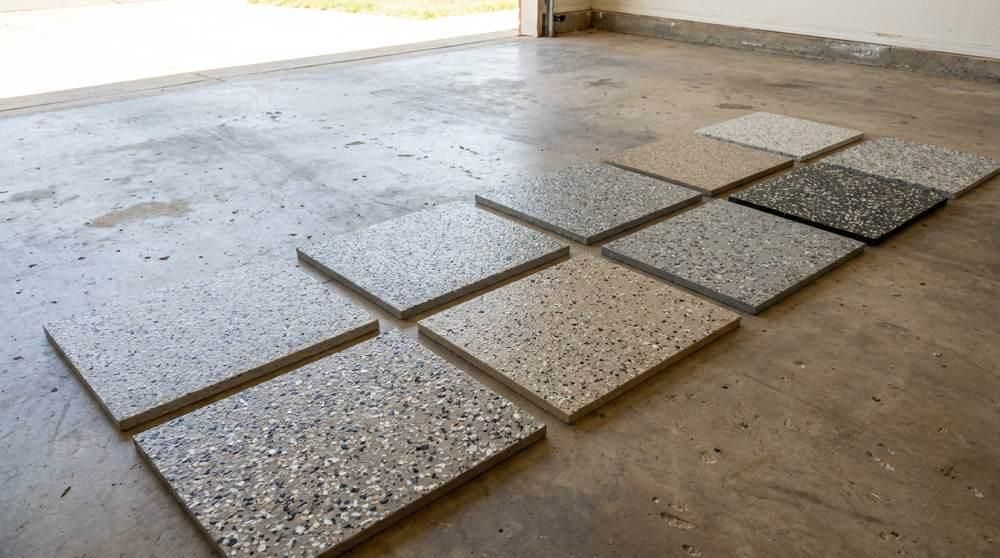
Alternatives to epoxy flooring include polyaspartic coatings, polyurea systems, concrete polishing, acid staining, and penetrating sealers, each with different tradeoffs in durability, appearance, and cost. Lubbock Concrete Coating installs all five for Lubbock and West Texas homeowners and helps clients choose the right fit for their surface and goals.
Spend any time researching floor coatings and you'll find the complaints alongside the arguments for epoxy: yellowing in UV-heavy environments, peeling on slabs with moisture issues, chips on high-traffic floors. Epoxy performs well in the right conditions. In Lubbock, where the sun averages 263 sunny days per year and summer temperatures push triple digits, those conditions matter more than most installers admit.
Here are five alternatives worth knowing before you commit.
1. Polyaspartic Coatings

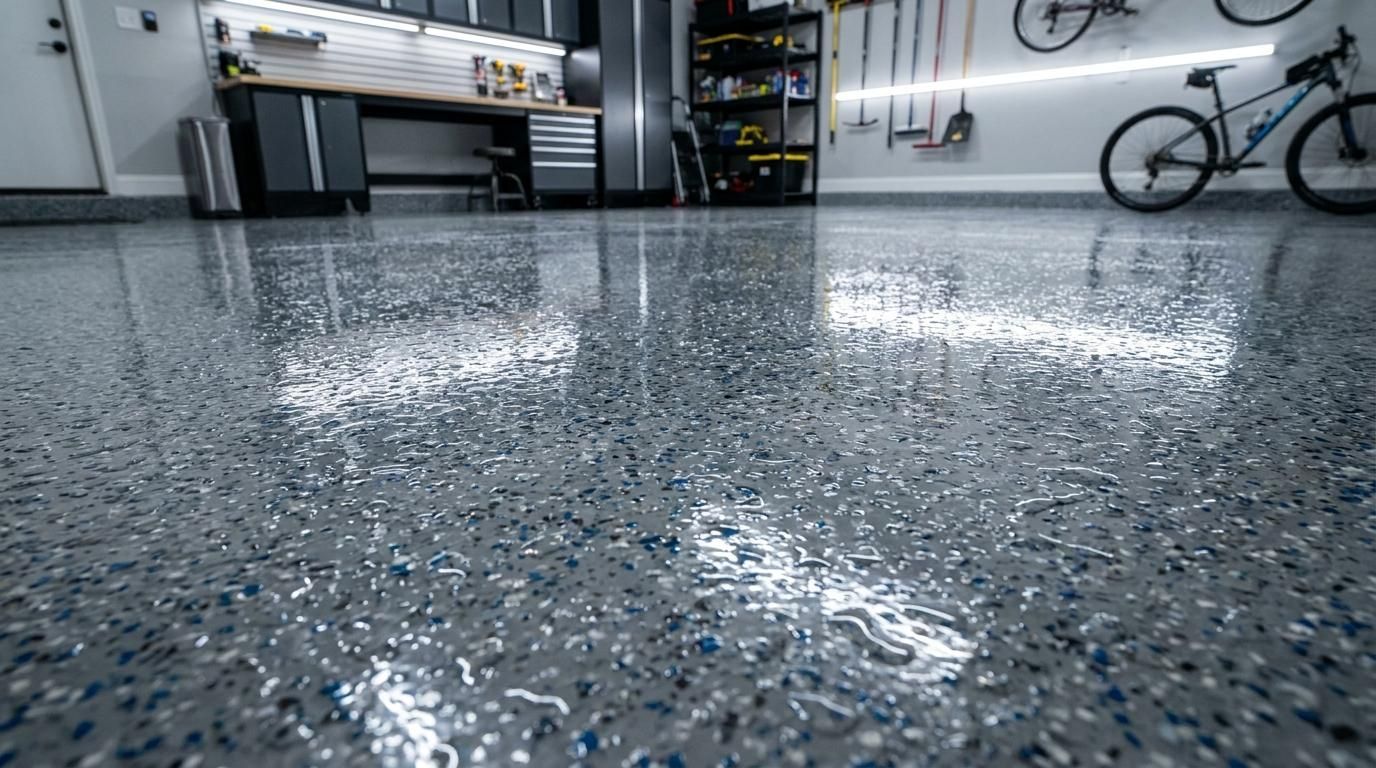
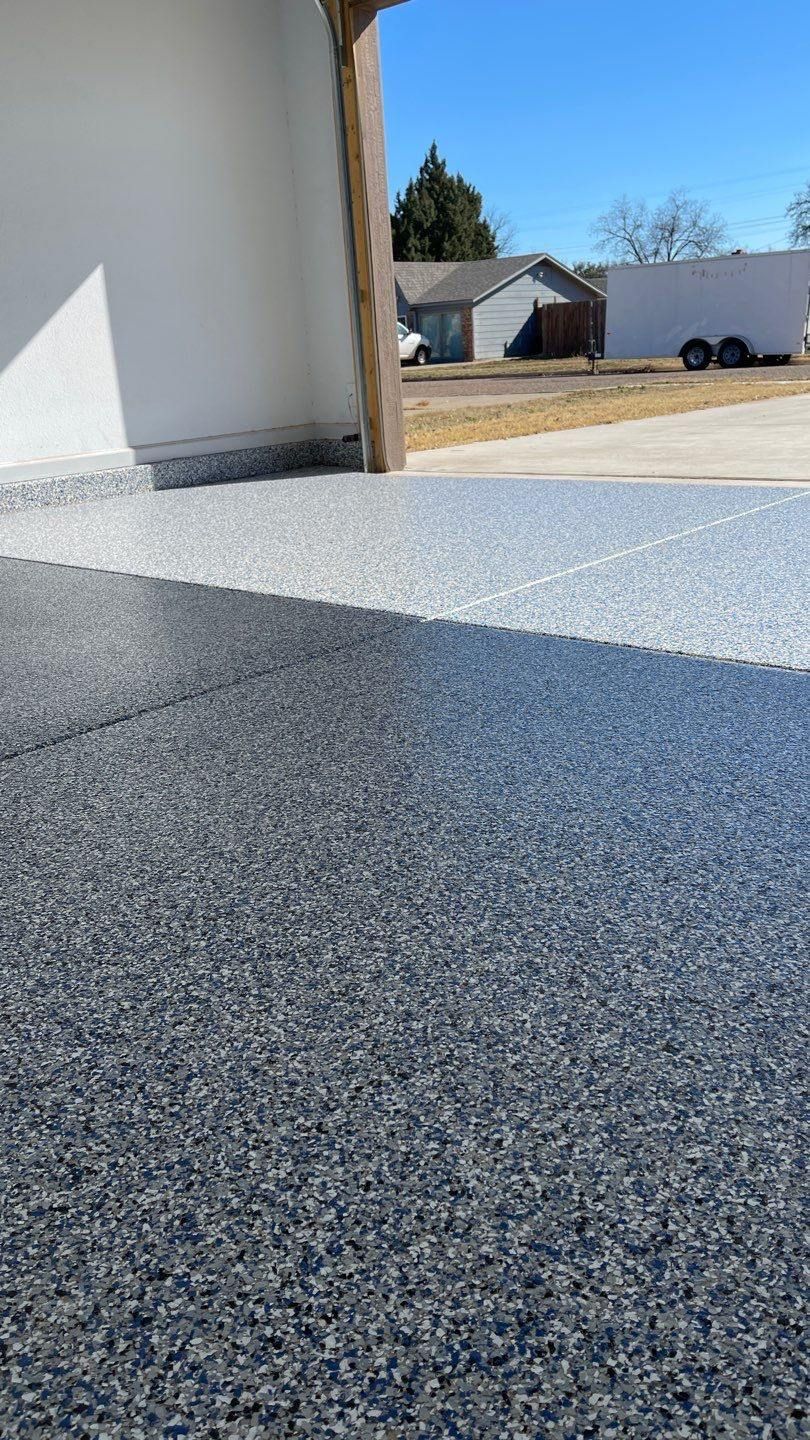
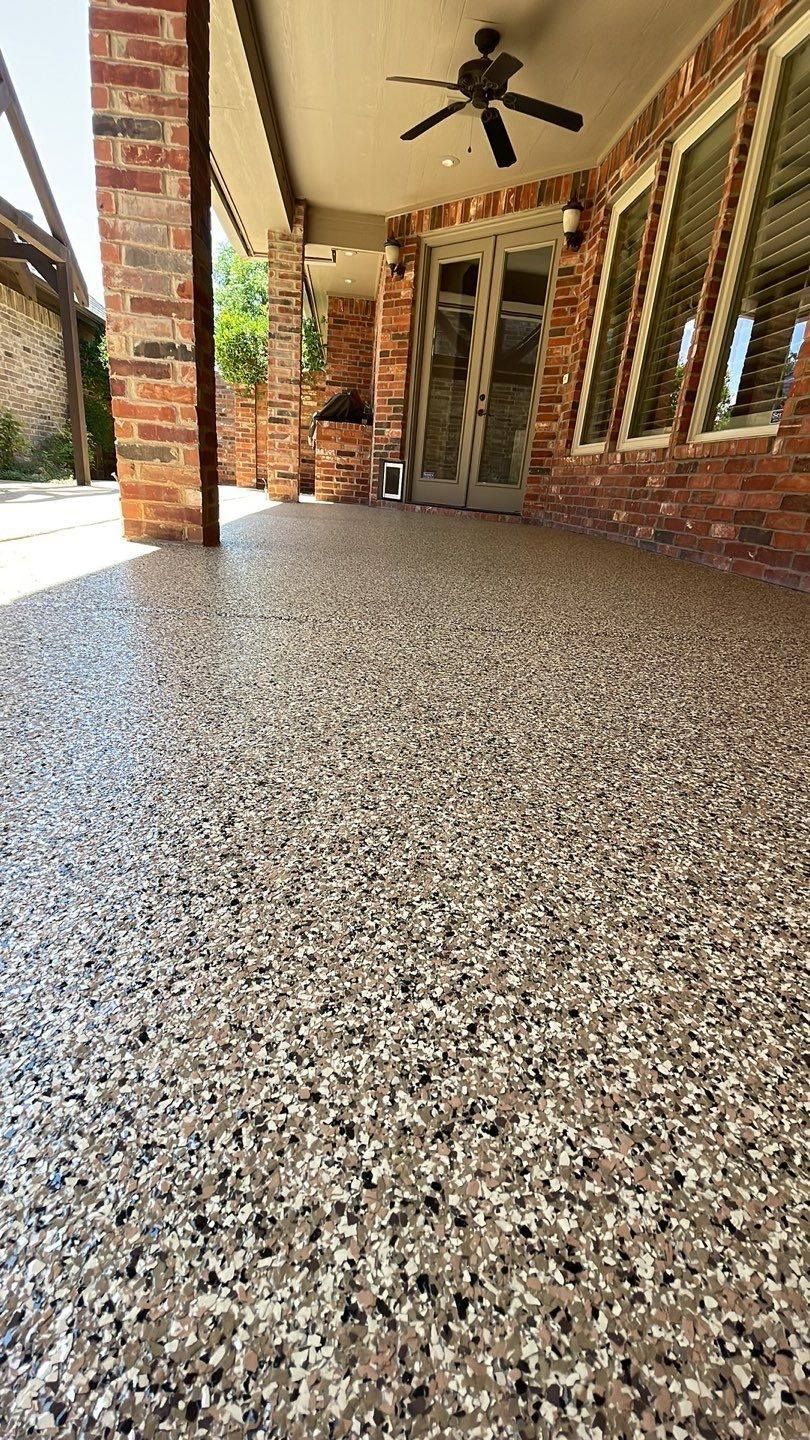
Polyaspartic is a polyurea hybrid that cures faster and resists UV degradation far better than standard epoxy. Where epoxy yellows and chalks under sustained West Texas sun—especially in garages with south- or west-facing doors—polyaspartic topcoats hold their gloss year after year.
The tradeoff is speed: because polyaspartic cures fast, installers need to move efficiently, making DIY attempts risky. For Lubbock homeowners with sun-exposed garages, it's the smarter long-term topcoat.
2. Polyurea Base Coats

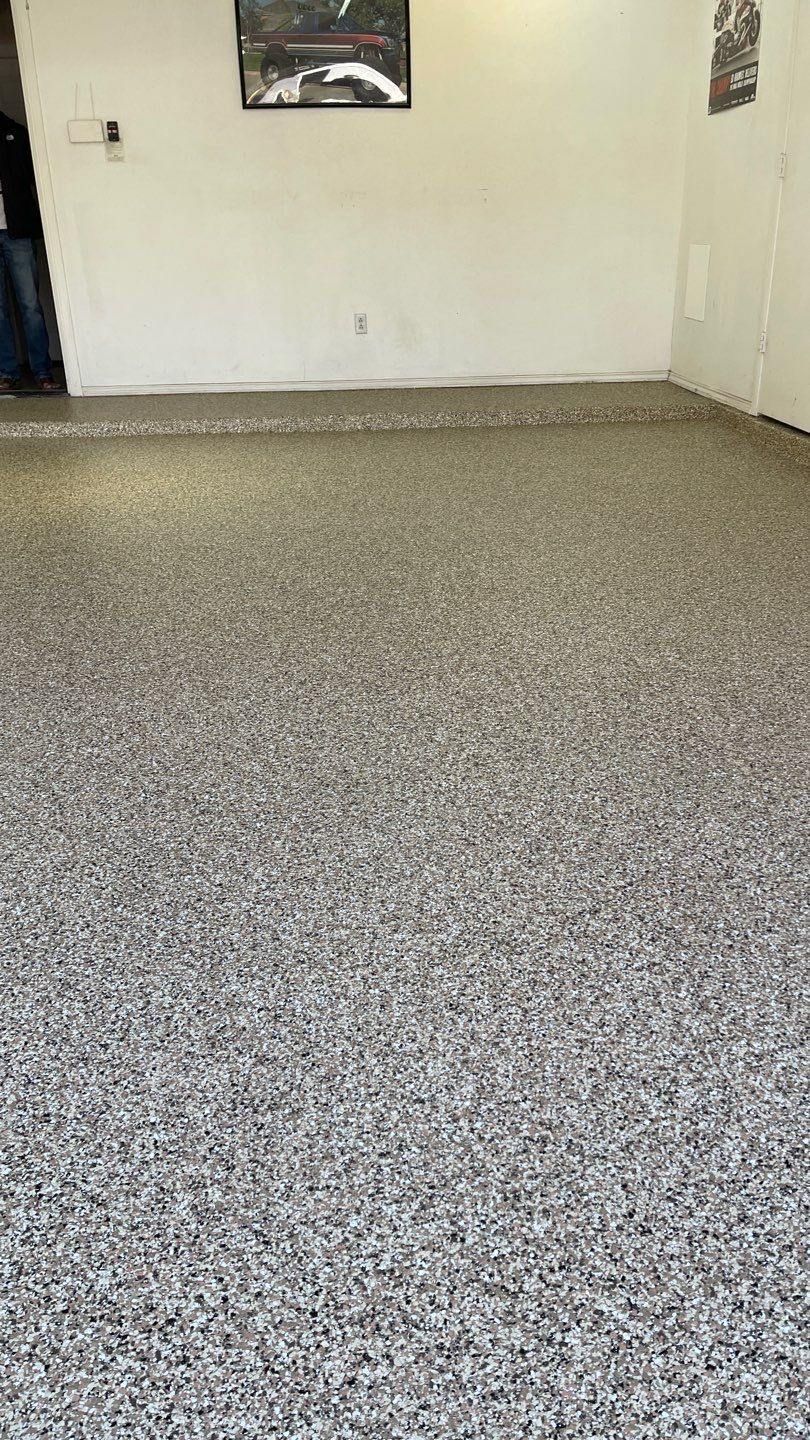
Polyurea is most often used as a base beneath polyaspartic, but it's worth knowing on its own. It bonds tightly to slabs with minor moisture vapor transmission, the kind that causes rigid epoxy to delaminate. Lubbock's caliche soil creates moisture dynamics beneath slabs that many homeowners don't anticipate, and a polyurea base handles that more reliably. It also resists chipping under heavy traffic in ways brittle epoxy doesn't. See concrete coating costs in Lubbock for a pricing comparison.
3. Polished Concrete

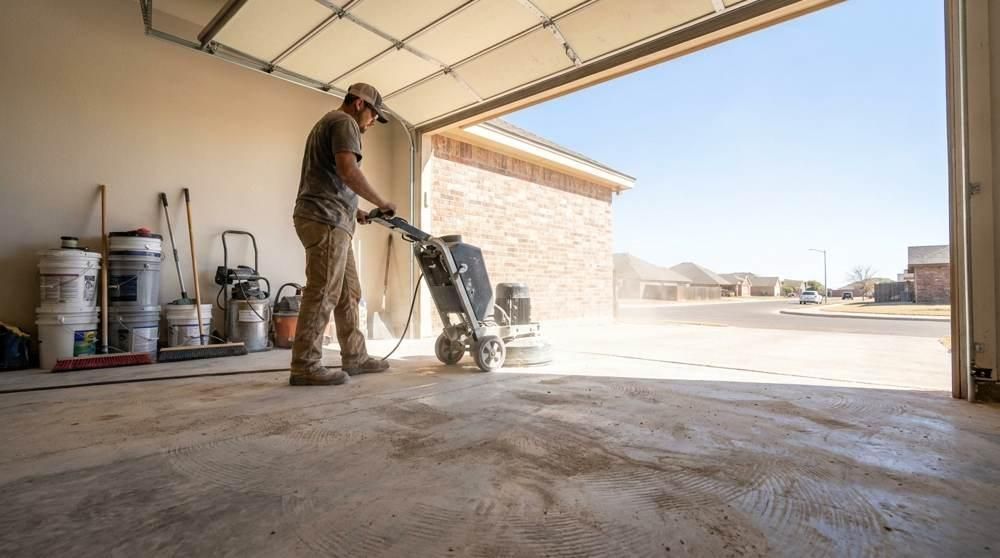
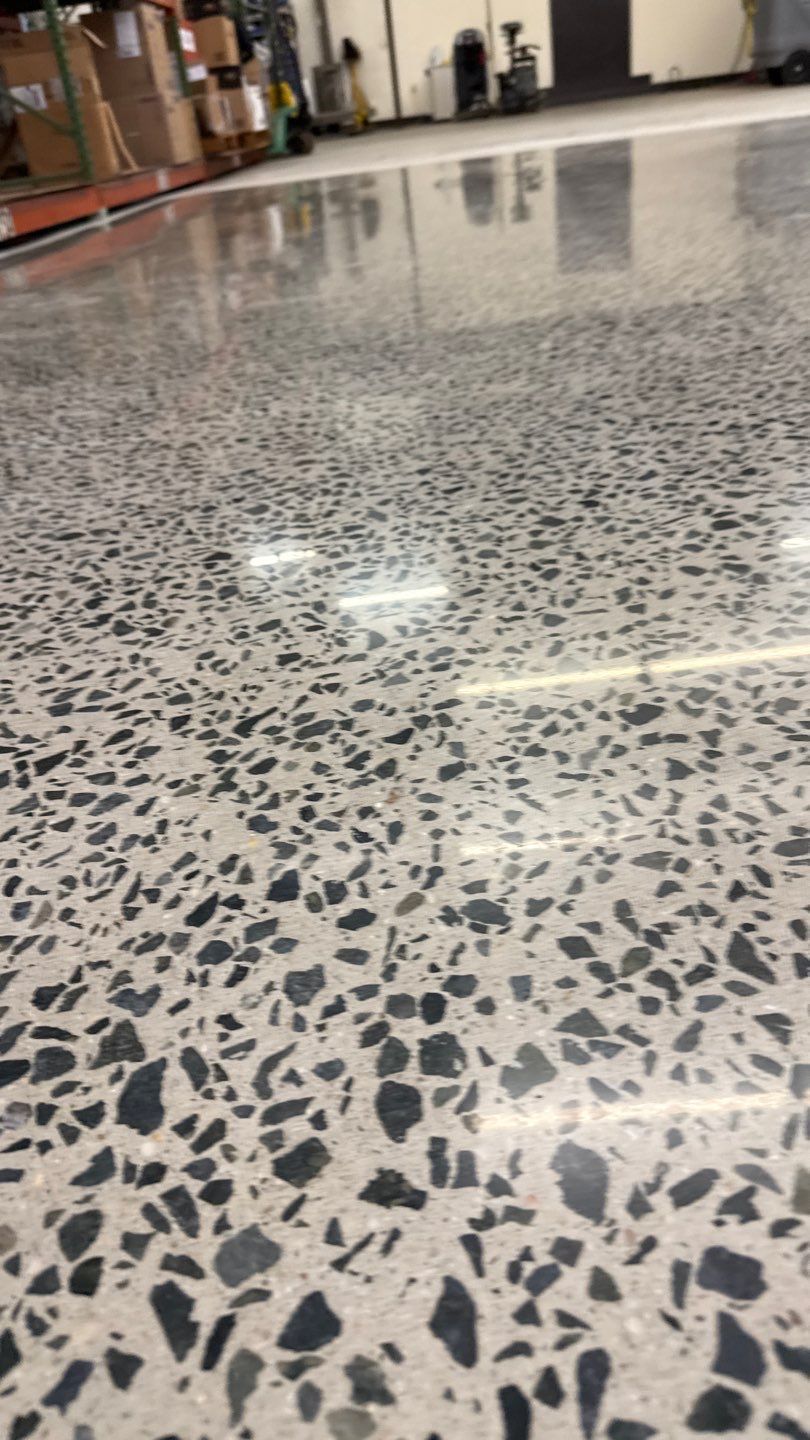
Polished concrete isn't a coating. It's a mechanical process where diamond tooling grinds and refines the slab to a smooth, reflective finish. No film is applied, so there's nothing to peel.
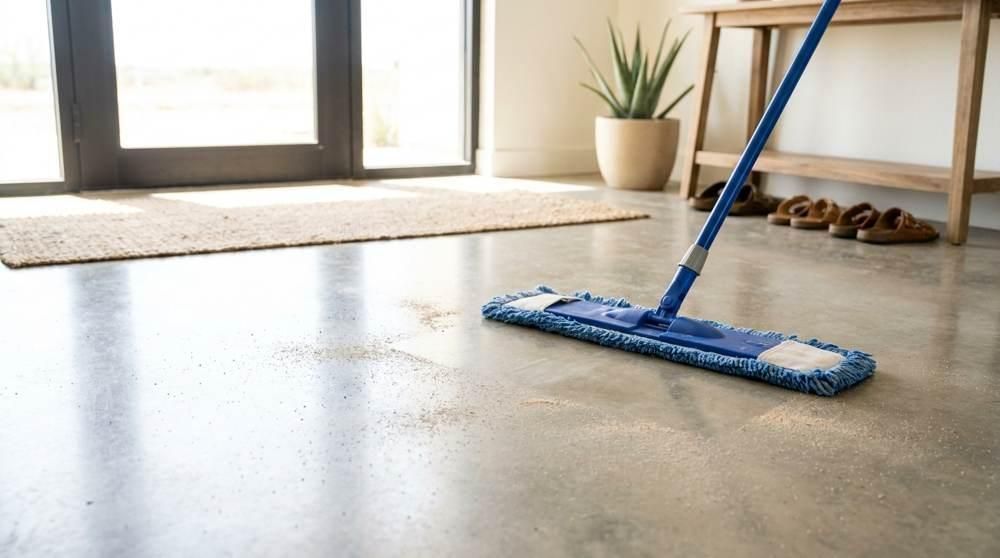
Lubbock Concrete Coating's polished concrete services deliver finishes from low-sheen satin to high-gloss mirror. Polished floors are common in commercial interiors but work well in modern homes too. They're easy to clean after West Texas dust storms coat every surface in caliche.
4. Concrete Staining

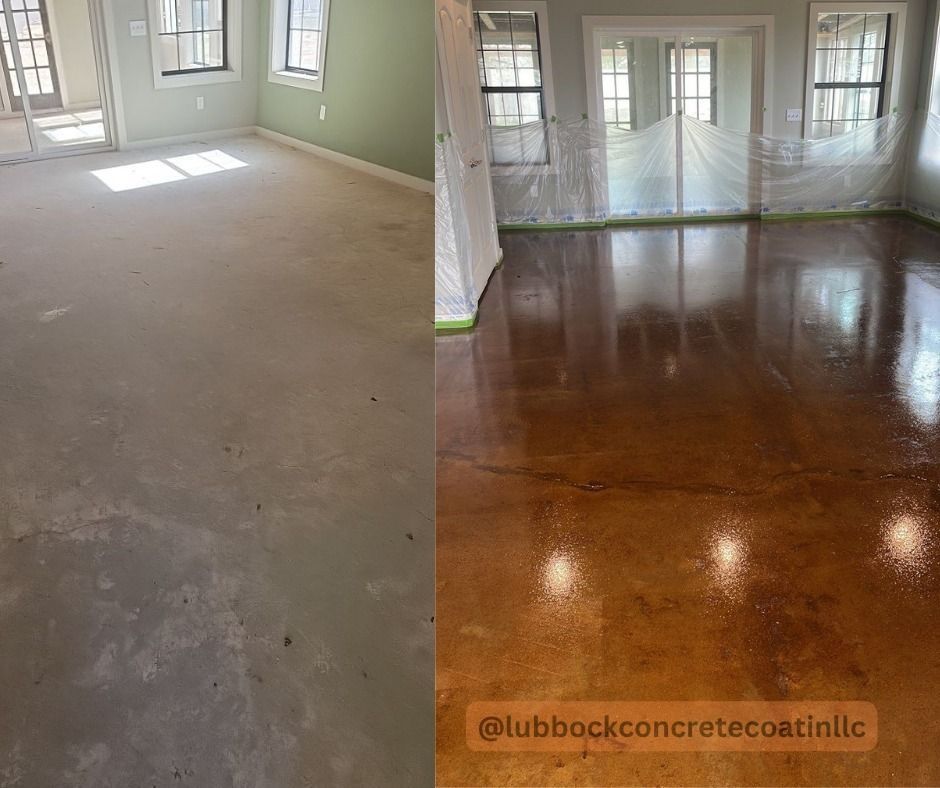
Acid staining and water-based staining penetrate the concrete rather than sitting on top, creating a translucent, variegated look that mimics natural stone. The color becomes part of the slab, so it resists chipping, peeling, and fading far better than surface coatings.
Concrete staining suits patios, interior floors, and entryways. It's typically paired with a sealer for surface protection. No two stained floors look identical, which appeals to homeowners in Wolfforth and Shallowater seeking something beyond standard gray.
5. Concrete Sealing

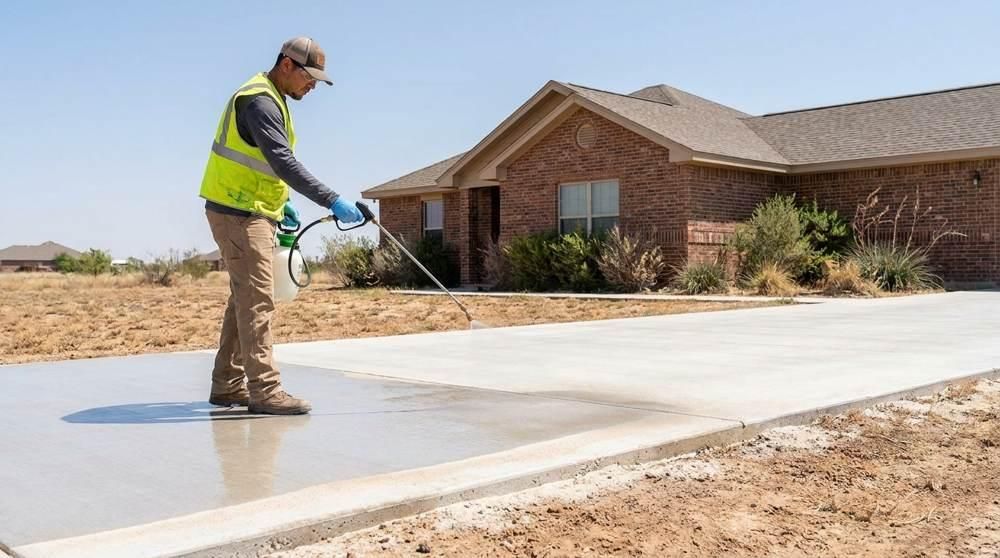
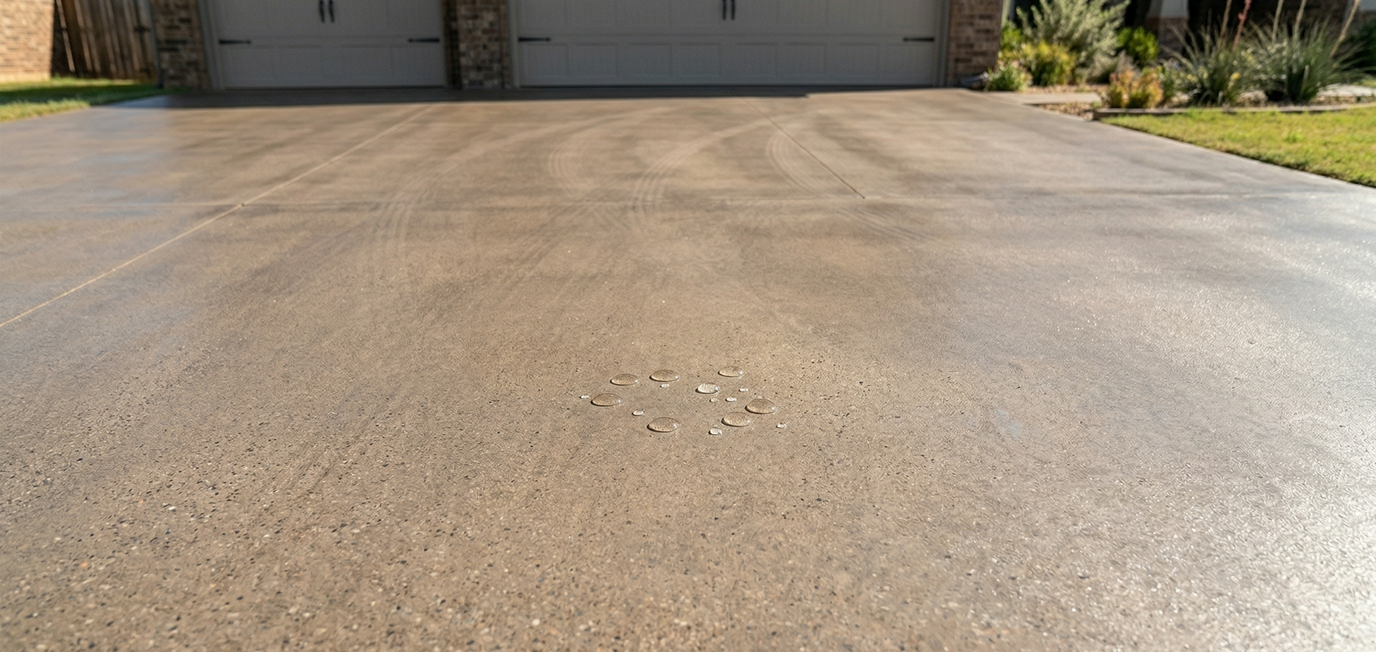
Concrete sealing is the most practical option for surfaces that don't need a full coating system yet. A professional-grade penetrating sealer (typically a siliconate formula) soaks into the concrete's pores and blocks water, oil, and chemical damage while letting the slab breathe.
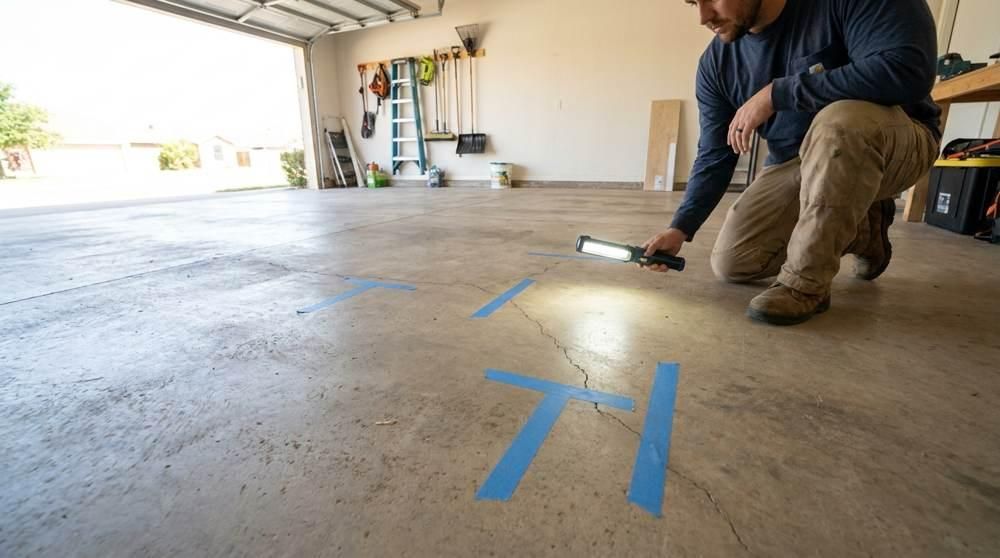
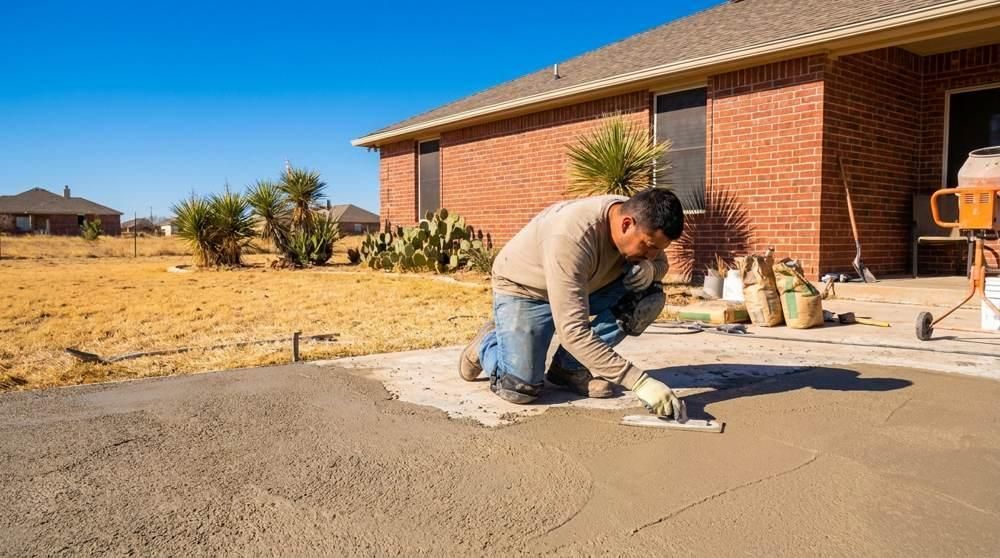
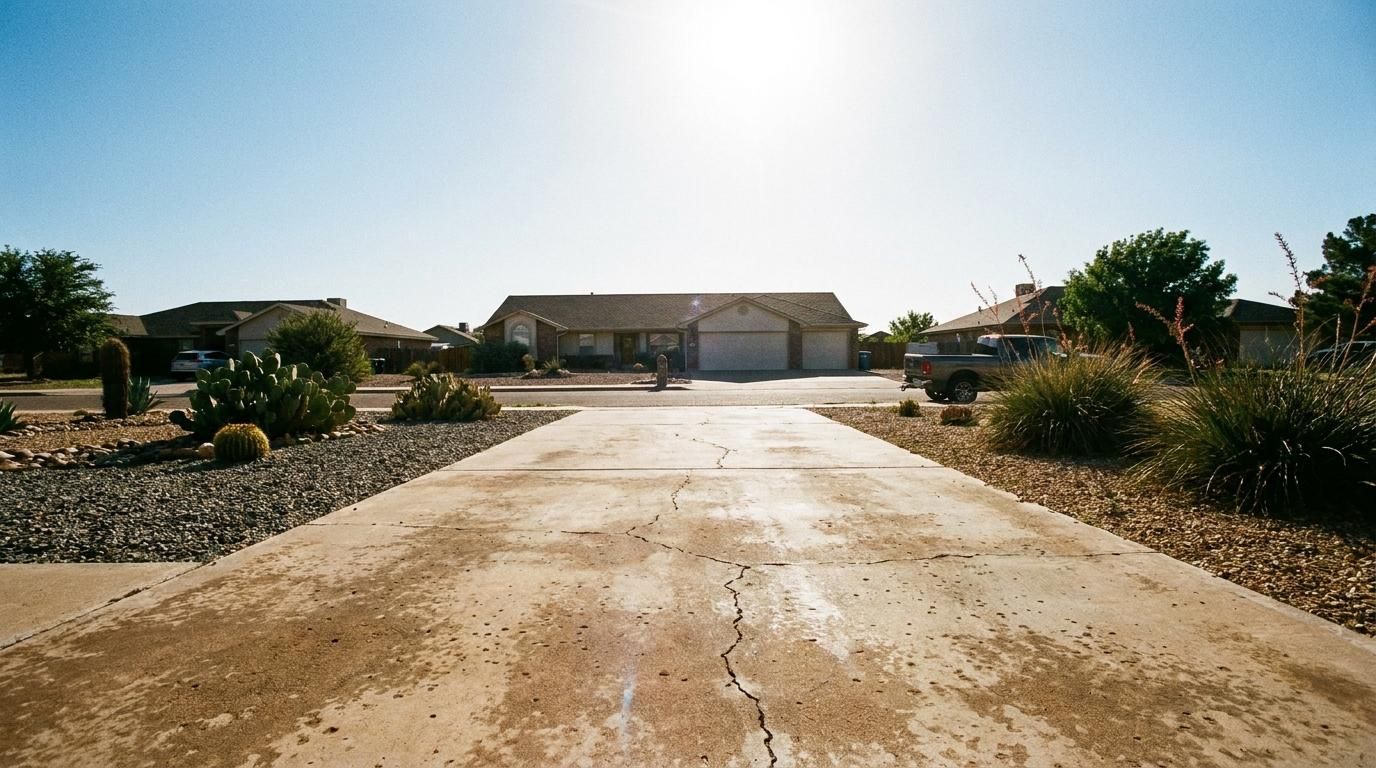
For a driveway that's structurally sound but showing surface wear, sealing adds years of life at a fraction of coating cost. A professional assessment determines whether sealing, coating, or polishing is the right starting point for your slab's current condition.
Frequently Asked Questions
Is polyaspartic better than epoxy for a garage floor?
Polyaspartic outperforms standard epoxy in UV resistance, cure speed, and temperature flexibility—all of which matter in Lubbock's intense sun. Standard epoxy topcoats commonly yellow and chalk in sun-exposed garages, while polyaspartic holds its gloss longer. For West Texas homeowners, polyaspartic is generally the stronger choice for garage floor topcoats.
Can concrete be polished if it's already been coated?
Polishing a previously coated slab depends on how completely the existing coating can be removed and the condition of the concrete underneath. The coating must typically be fully stripped before diamond-polishing can begin. Lubbock Concrete Coating assesses each surface before recommending a path. Some slabs are solid candidates for polishing, others are better suited for recoating.
What's the most affordable alternative to epoxy flooring?
Penetrating concrete sealer is the most cost-effective option. It won't transform the surface’s appearance like polishing or staining, but it extends the slab's life and guards against oil, water, and chemical staining. For homeowners who want solid protection without a major investment, sealing is a practical first step that keeps their options open.

The Right Floor Comes Down to the Right Fit

Epoxy is one option among five, each with real strengths for specific surfaces and goals. Polyaspartic and polyurea outperform epoxy in Lubbock's UV-heavy, high-heat environment. Polished concrete and acid staining create beauty that doesn't depend on a film staying bonded. A quality sealer protects slabs not yet ready for a full system.

Lee and Robert Hernandez at Lubbock Concrete Coating have installed all five for Lubbock County homeowners. They’ll give you a straight answer on which fits your situation.
Contact us for a free quote to get started.