7 Common Epoxy Floor Problems and How to Avoid Them (2026)
Epoxy floor problems include yellowing, chemical staining, peeling, and moisture-driven delamination. Most failures trace back to one of seven root causes: surface prep shortcuts, wrong product selection, or environmental conditions the installer didn't account for. Lubbock Concrete Coating helps West Texas homeowners avoid all of them.
Lubbock averages 263 sunny days a year, triple-digit summer heat, and caliche soil beneath nearly every residential slab. Those conditions expose weaknesses in an epoxy system faster than most homeowners expect. Lee and Robert Hernandez have watched this climate stress every coating type over 20+ years, which is why their professional garage floor coating systems are built for West Texas — not what most product specs assume.
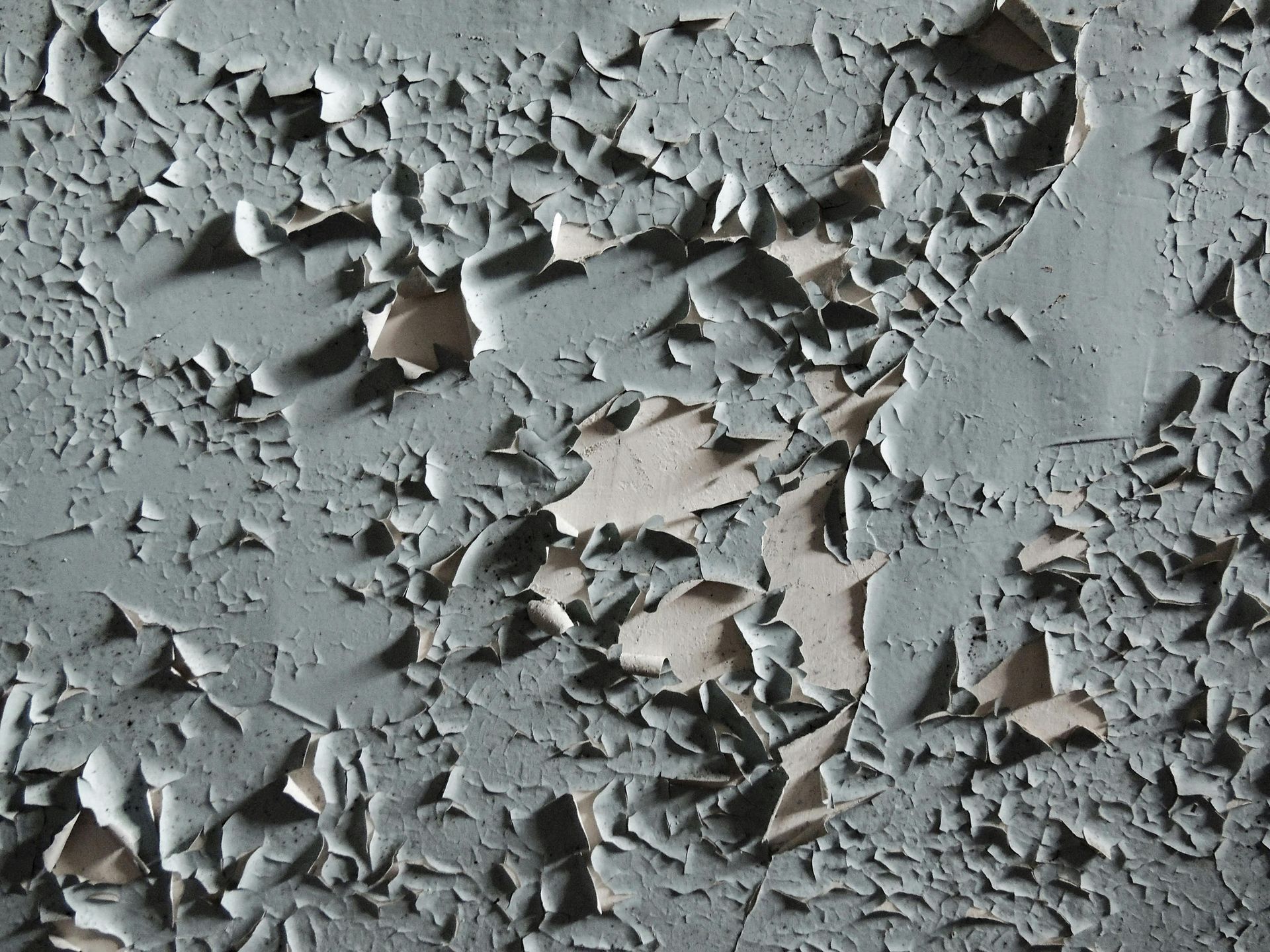
1. Peeling and Delamination
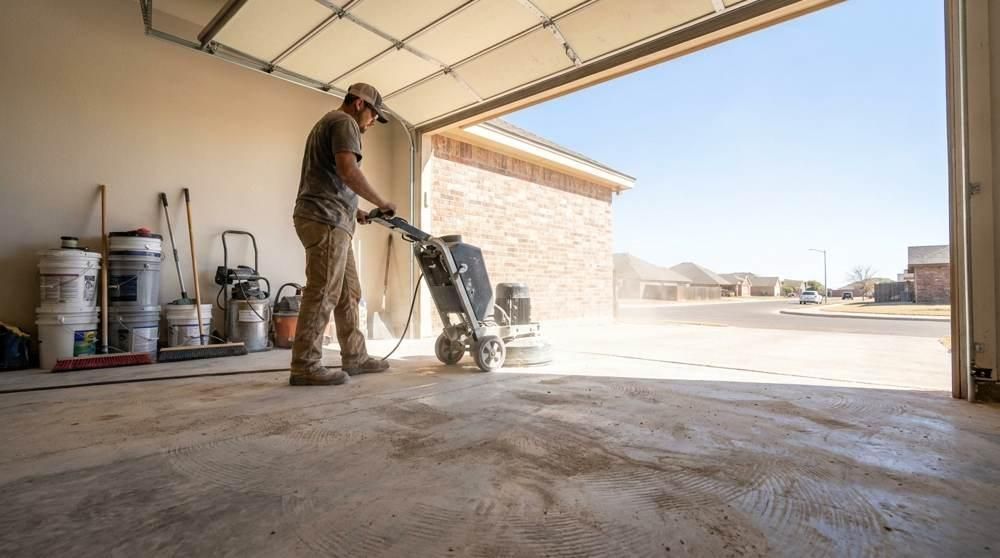
Peeling almost always starts during surface preparation, not the coating itself. Epoxy bonds mechanically to concrete, requiring diamond grinding or shot blasting to open the surface. When installers use acid etching alone, the bond forms on the dust layer and fails within 12 to 18 months. Professional systems include a penetrating primer — consumer kits skip it.
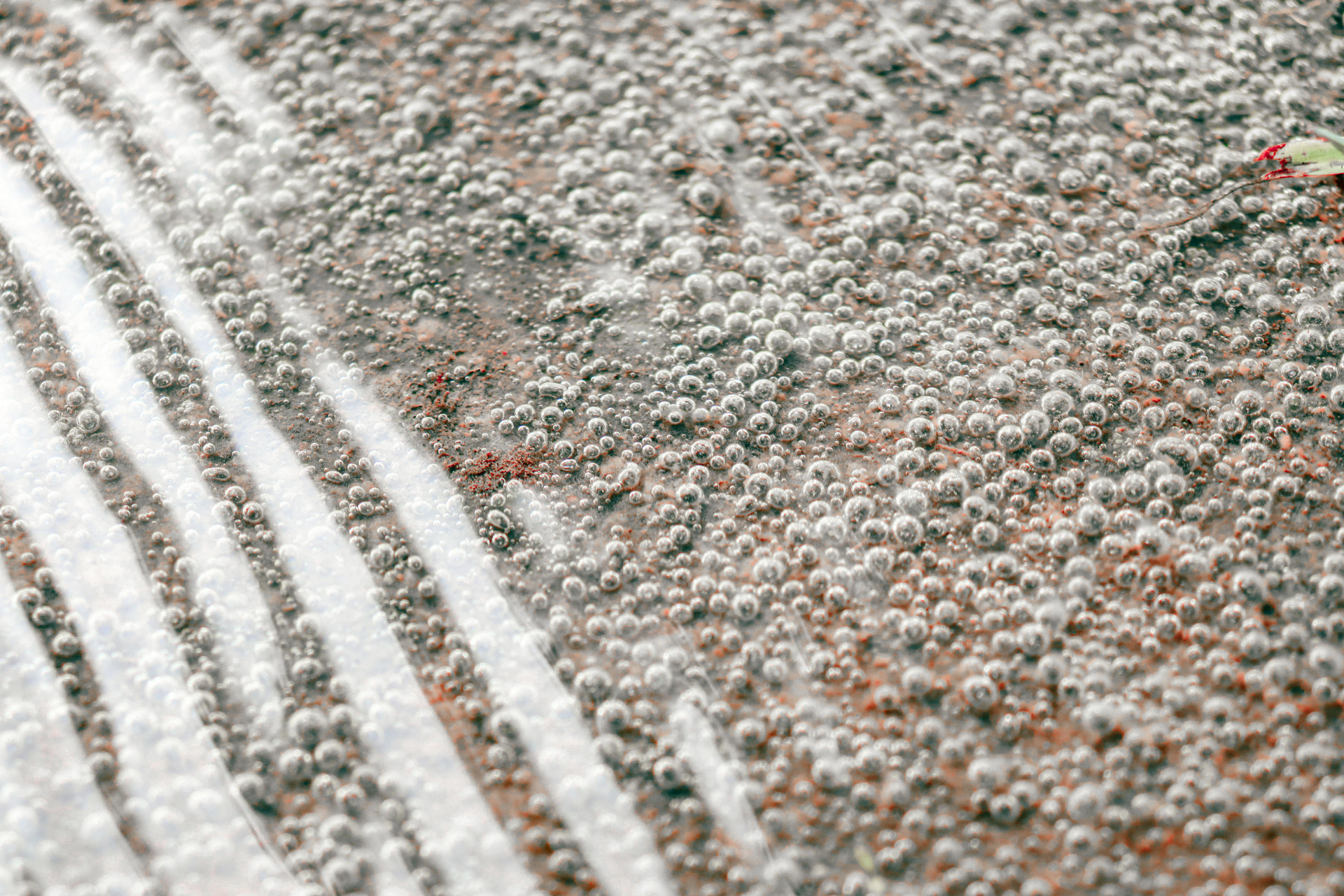
2. Bubbling and Outgassing
Outgassing happens when air trapped in the slab pushes through an epoxy coat before it cures. Lubbock's spring mornings can start cool and jump 30 degrees by midday — enough to trigger it in a fresh coat. A penetrating primer seals the slab before the base coat. Skipping primer creates bubbles that require stripping the entire surface to fix.
3. Yellowing and UV Degradation
Standard epoxy resins aren't UV-stable. Sustained ultraviolet exposure causes the resin to yellow, chalk, and lose gloss — a process called "ambering." In Lubbock's 263-day sun year, south- or west-facing garage doors accelerate this within one to two seasons. UV-stable topcoats prevent it. For what drives longevity in this climate, see how long concrete coatings last in West Texas.
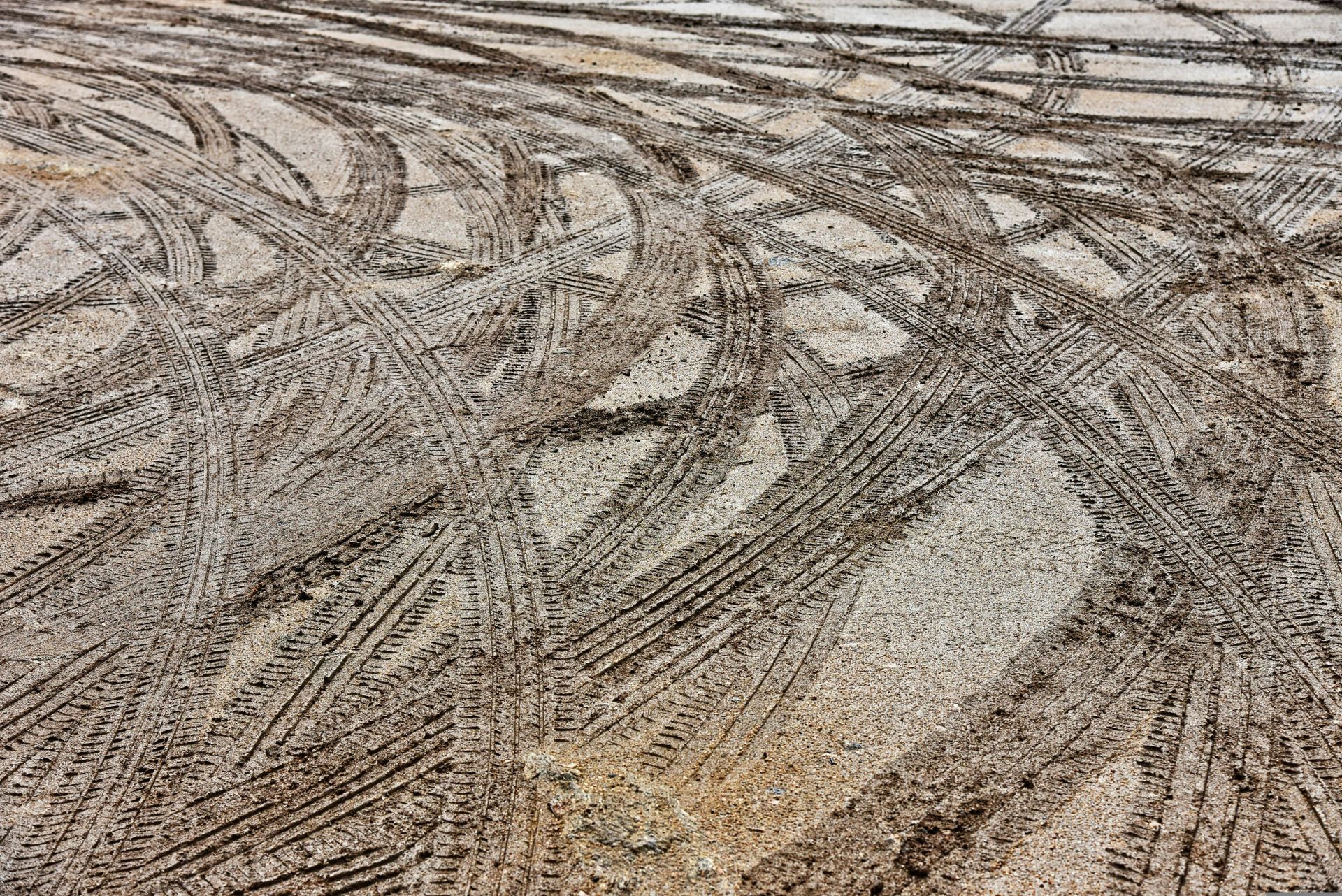
4. Hot Tire Pickup
Tires heated from highway driving bond to a soft or under-cured epoxy surface and pull the coating when the car moves. Single-coat consumer systems are most vulnerable. Professional installations use a harder topcoat measured by Shore D hardness — the measure of rigid material resistance — which prevents the surface softening that allows tire bonding.
5. Surface Cracking and Flexibility Failure
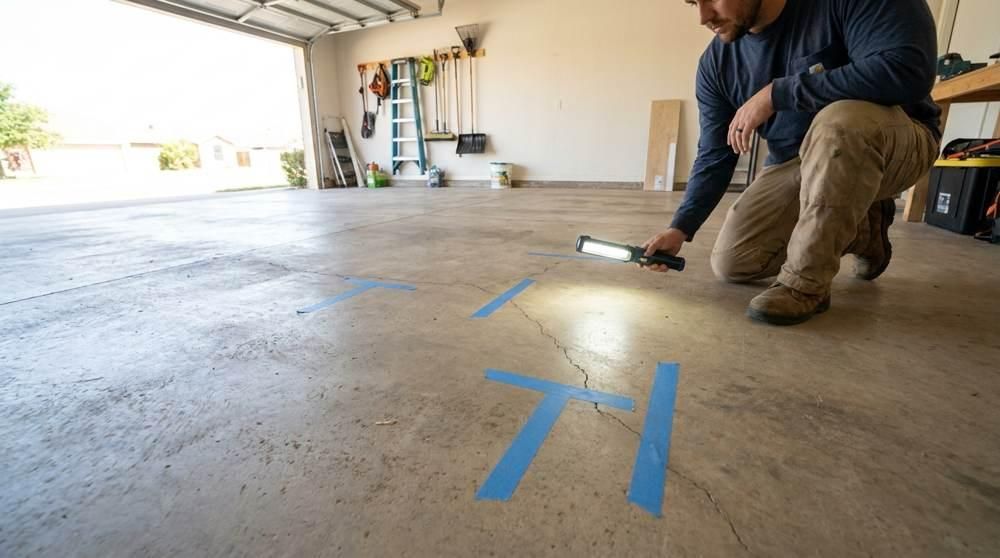
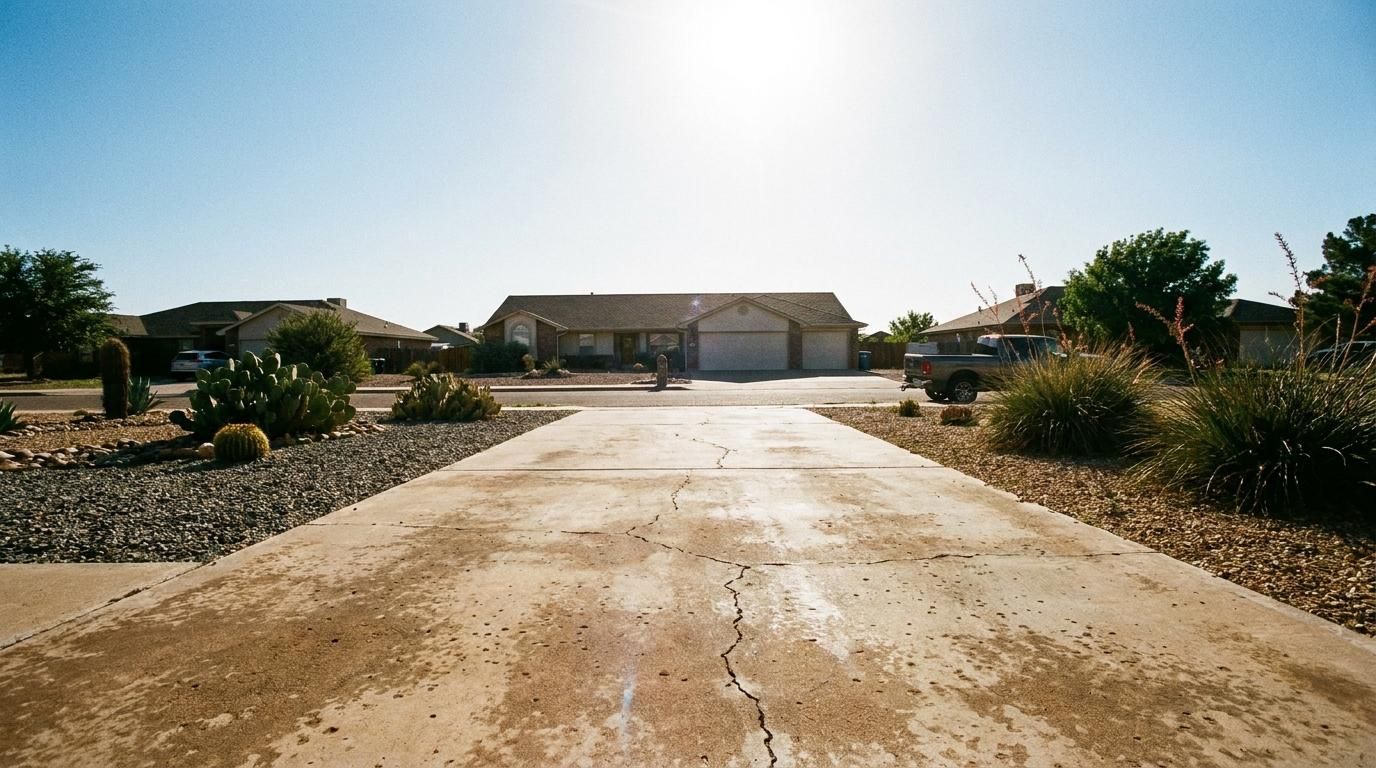
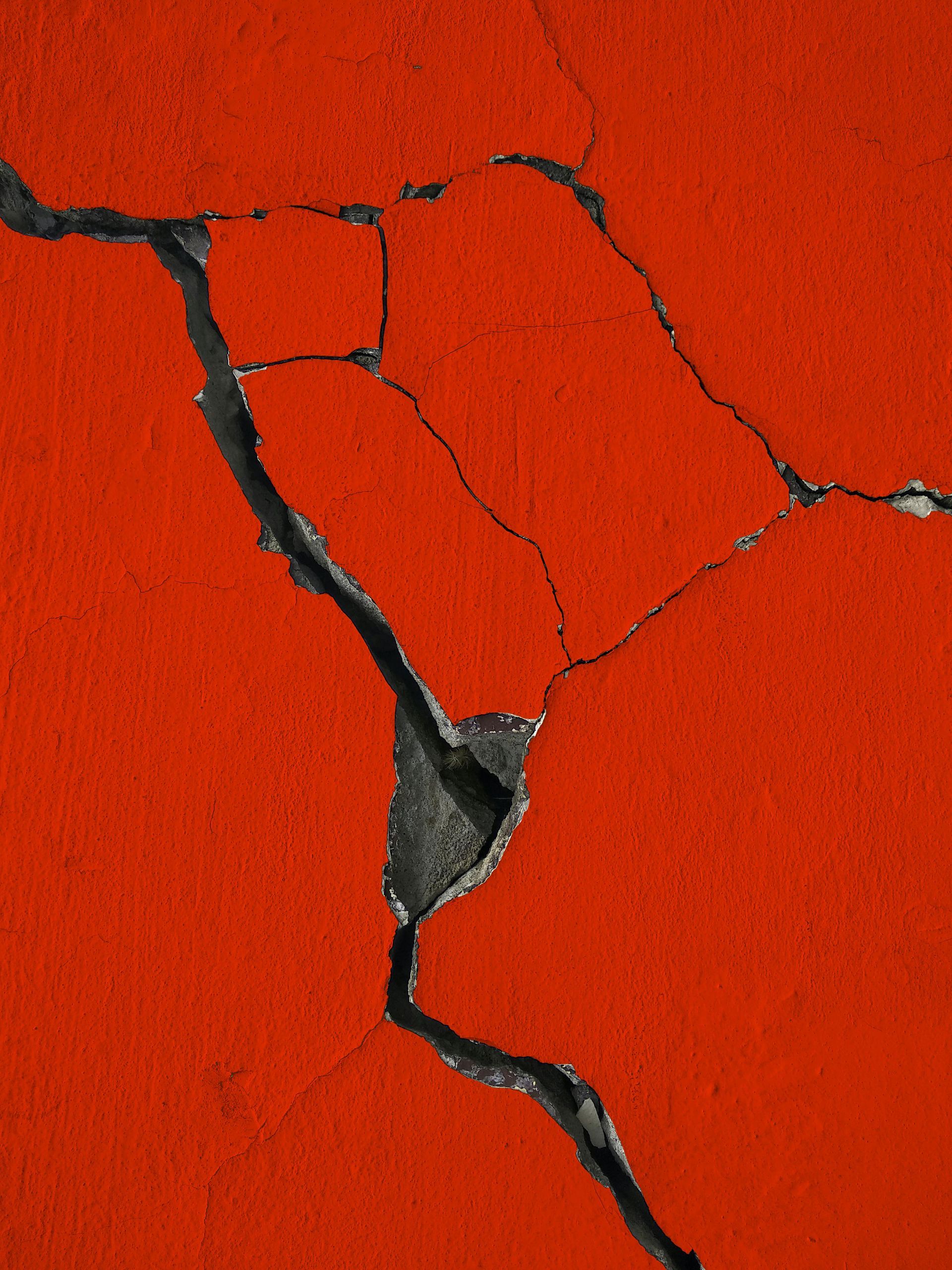
Epoxy is rigid. When the slab shifts from thermal expansion, caliche movement, or settling, the coating cracks rather than flexes. Lubbock's swings from January lows near 25°F to July highs over 100°F create real expansion stress in concrete slabs. Cracks at control joints or slab edges typically indicate substrate movement the epoxy couldn't absorb. The 5 best alternatives to epoxy flooring outlines more flexible systems.
6. Moisture Vapor and Hydrostatic Pressure Failures
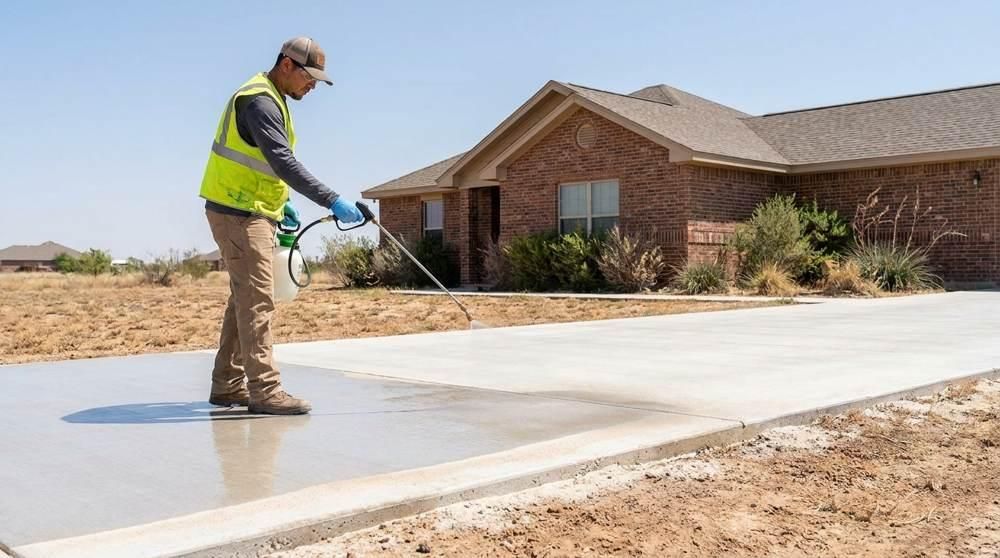
Lubbock's caliche soil traps groundwater and pushes moisture vapor upward through concrete slabs. That pressure breaks the epoxy bond from below, causing bubbling, lifting, or white hazy patches called "blushing." A vapor barrier primer before the base coat is the fix. To test: tape plastic sheeting to bare concrete for 24 hours — condensation on the underside confirms vapor is present.
7. Staining and Chemical Damage on Under-Sealed Surfaces
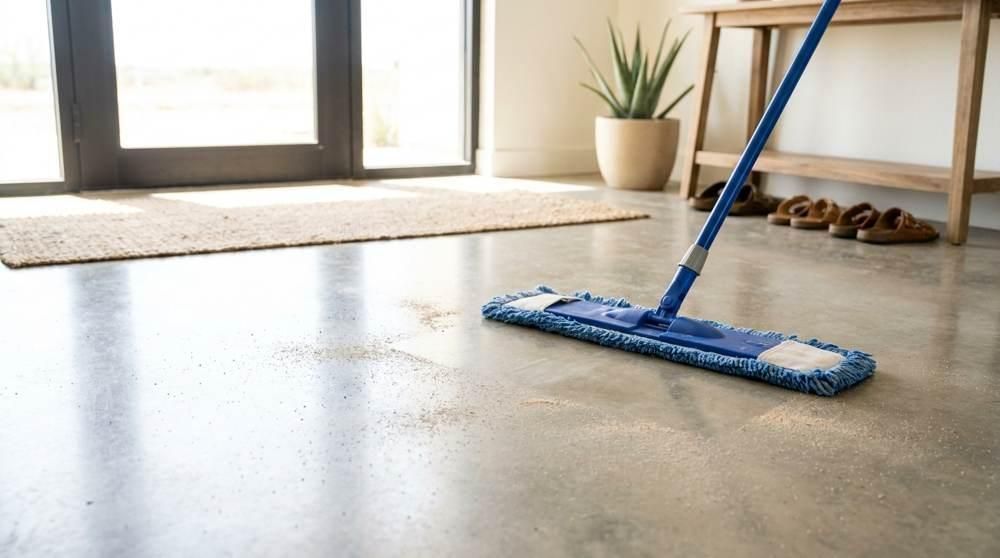
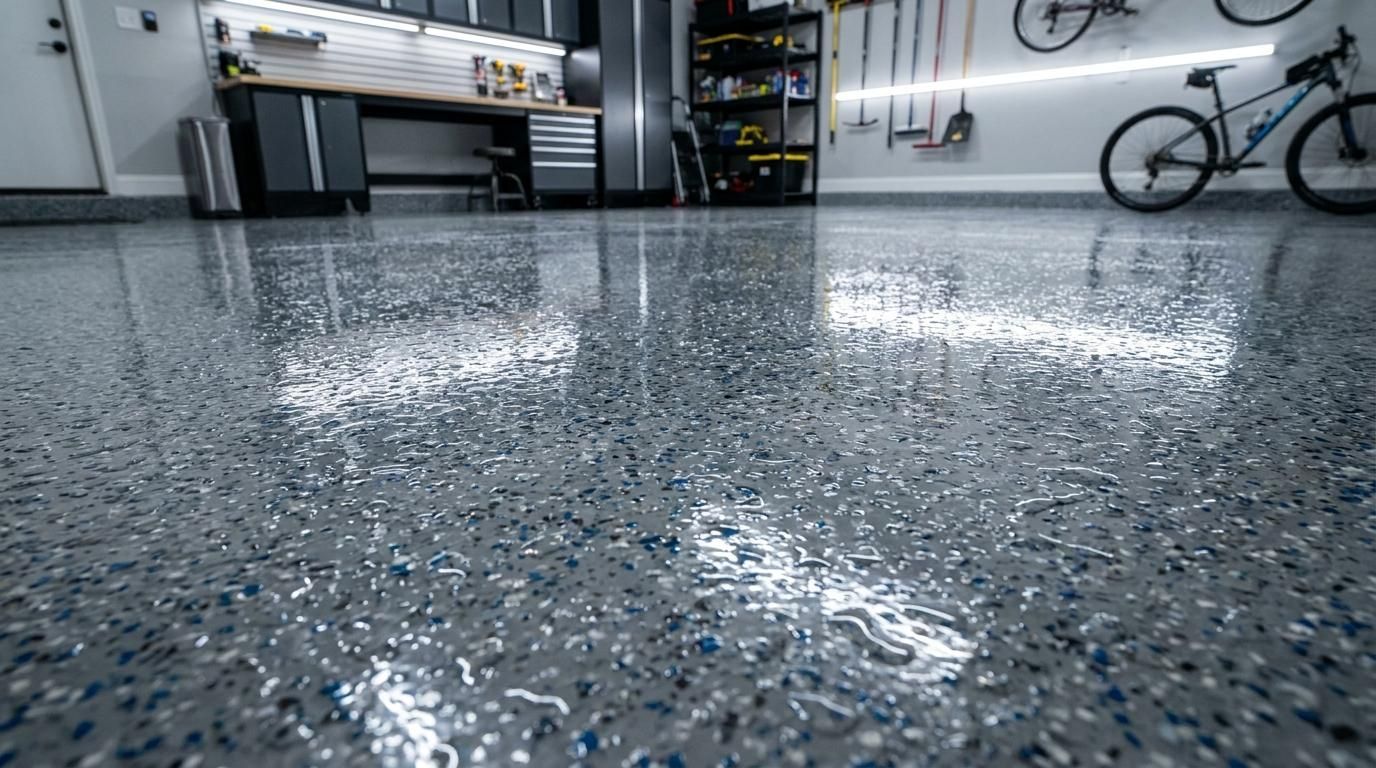
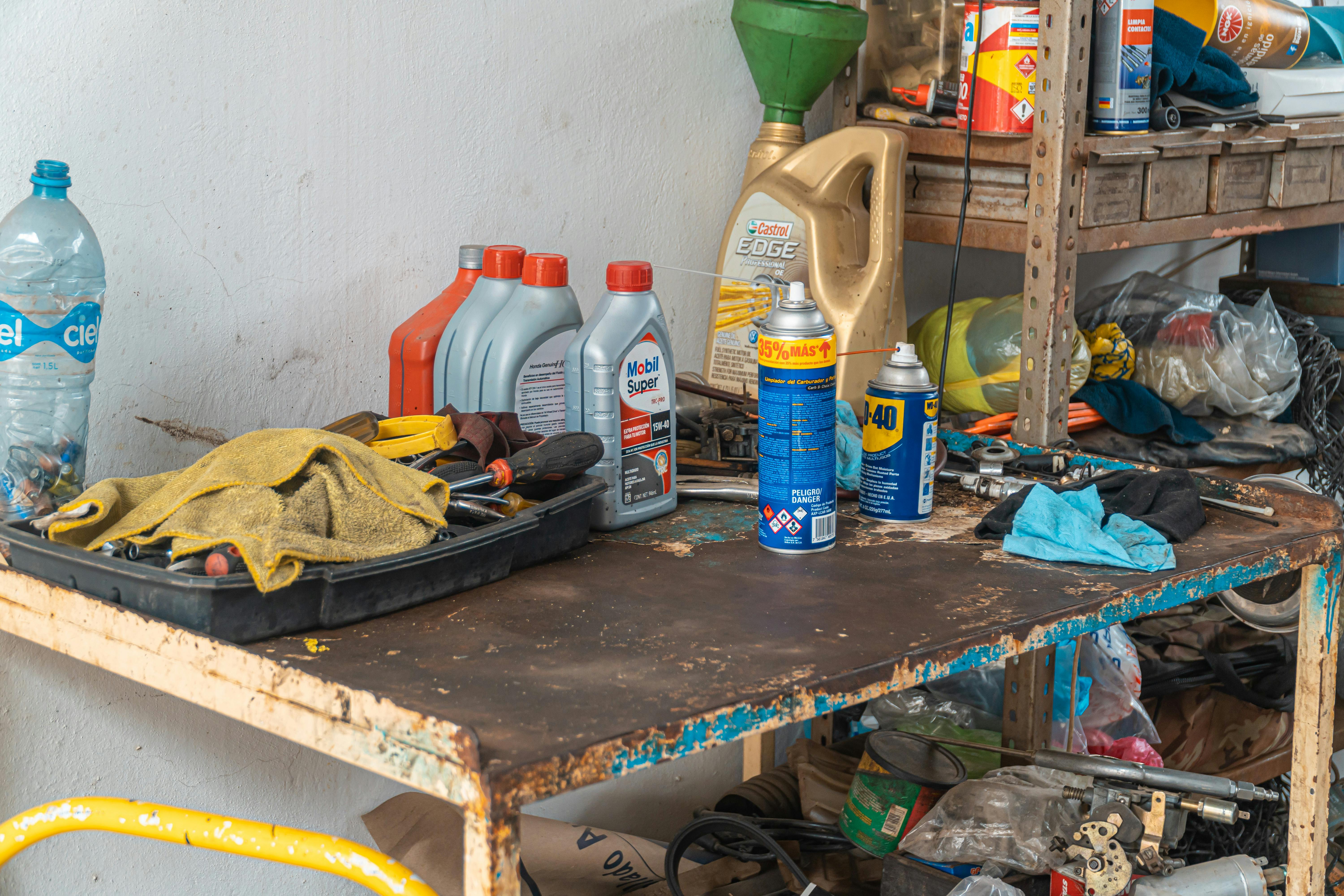
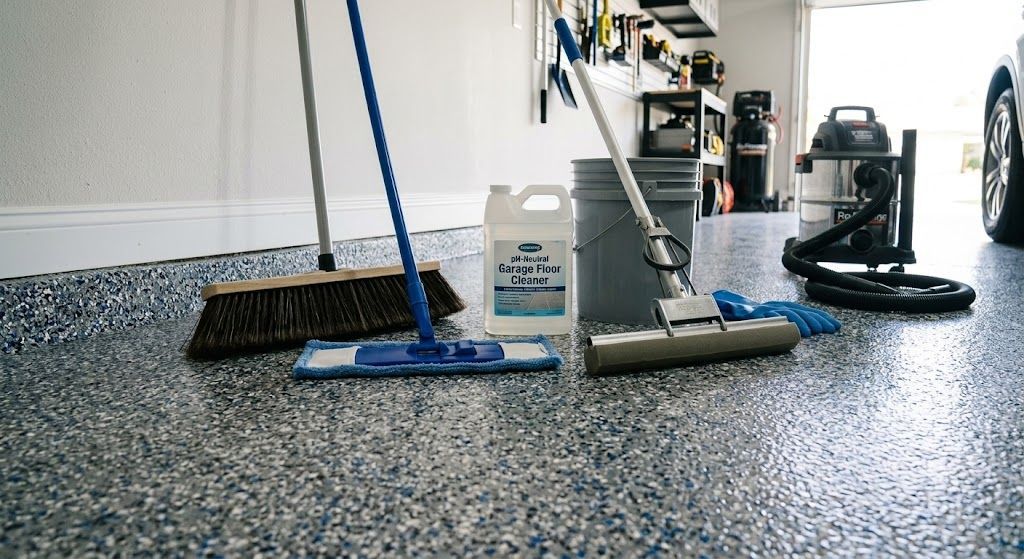
An epoxy system without a sealed topcoat is porous enough to absorb oil, transmission fluid, and battery acid. Chemical penetration degrades the epoxy matrix, not just the surface. Garage floors with regular vehicle maintenance need a chemical-resistant topcoat as the final layer. A properly sealed surface means a spill wipes off with a mop instead of etching in permanently.
Frequently Asked Questions
Can epoxy floors be repaired if they start peeling?
Spot repairs work when delamination is isolated, but success depends on how far bond failure has spread beneath the surface. When adhesion has failed broadly, a full strip and recoat is more reliable. Spot patches on a compromised bond typically fail again within a season.
How do I test my slab for moisture before applying epoxy?
Tape a 24-inch square of plastic sheeting to bare concrete and seal all four edges. After 24 hours, check the underside for condensation. Moisture present means a vapor barrier primer is required before coating — skipping it is one of the most common reasons epoxy floors fail prematurely in Lubbock.
Does Lubbock Concrete Coating warranty their epoxy systems?
Lubbock Concrete Coating installs professional-grade multi-layer systems and stands behind the work. Lee and Robert Hernandez walk every customer through warranty coverage before installation starts. Call or reach out online for specifics tied to your slab type and project conditions.
Don't Let the Wrong System Meet the Wrong Slab
All seven of these problems are predictable and preventable with the right prep, product, and installer. West Texas UV, temperature swings, and caliche soil leave less margin for error than a moderate climate. Contact Lubbock Concrete Coating or call (806) 701-3436 for a free quote and an honest slab assessment.